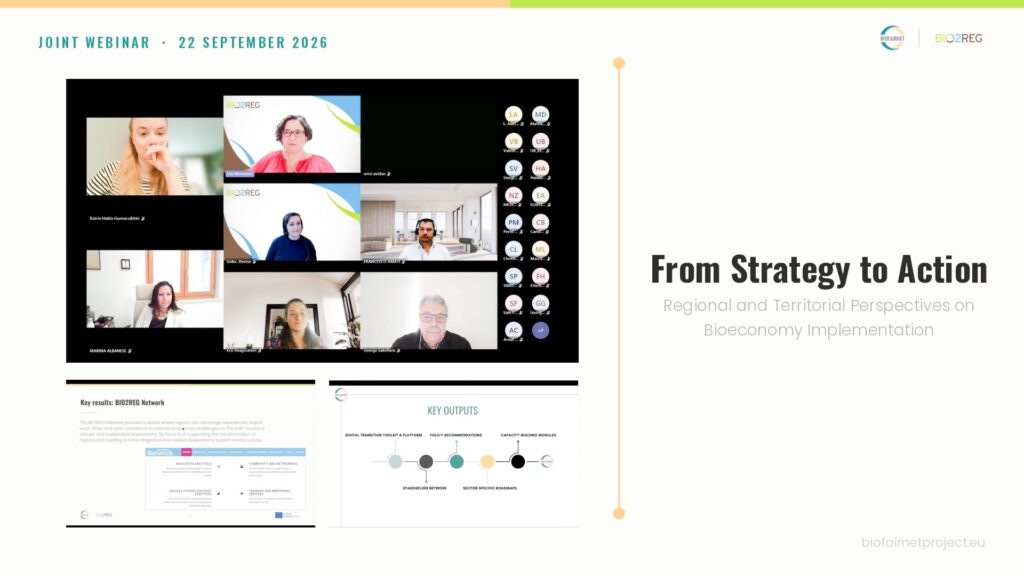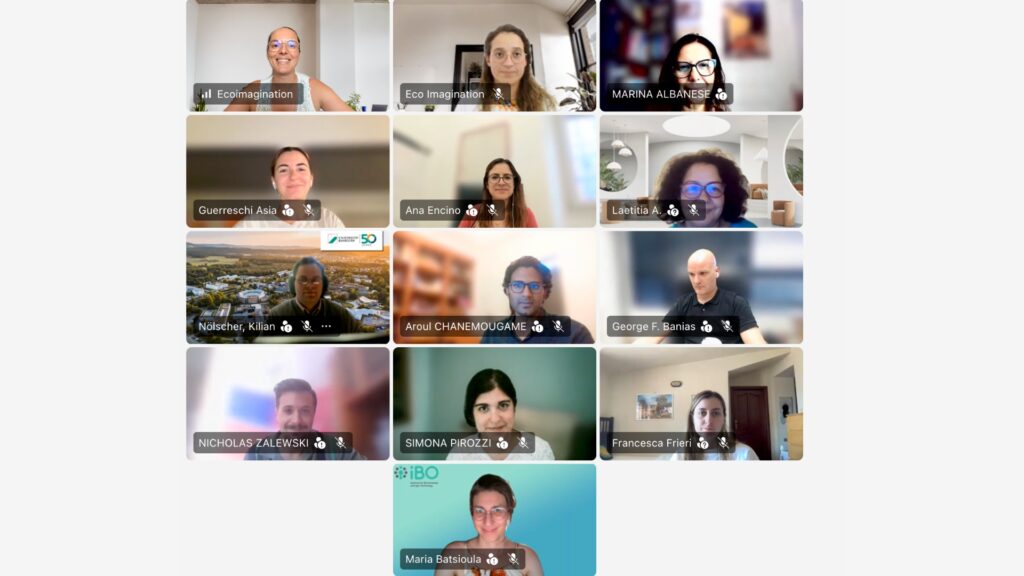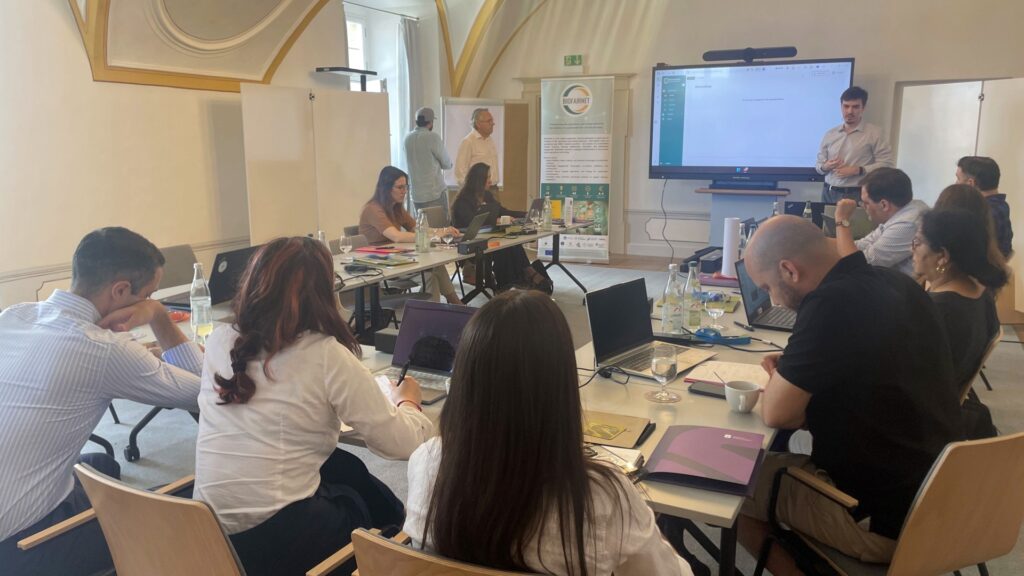
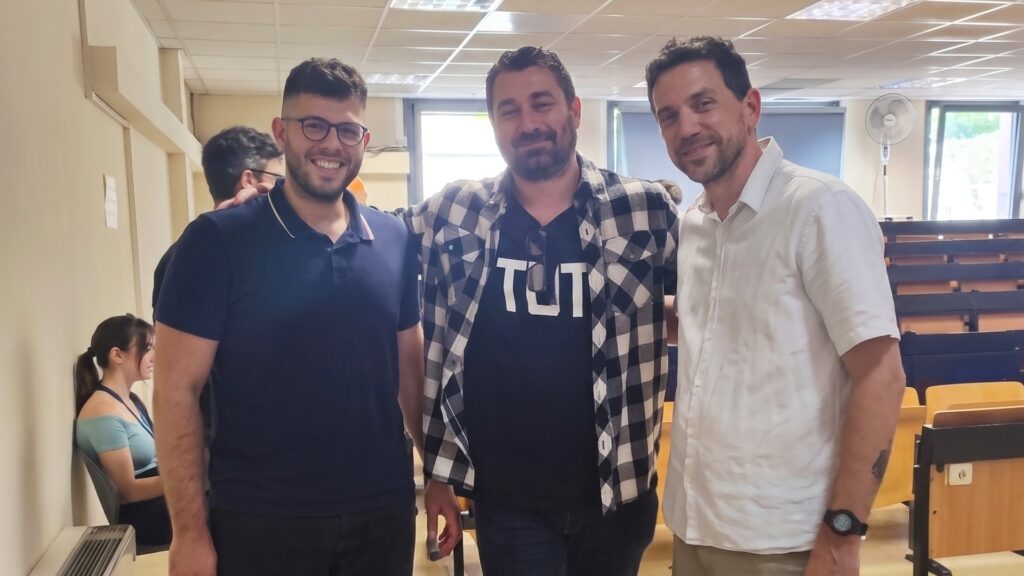
BioFairNet’s participation in the ZeroPM Summer School in Lesvos created an opportunity to connect with other Horizon Europe initiatives working on pollution prevention, regional bioeconomy and safe resource use. Discussions with the ZeroPM consortium and the RIBES project highlighted shared priorities and concrete areas for collaboration.
Connecting complementary expertise
The exchange showed how the three projects contribute to different aspects of the same challenge. BioFairNet focuses on fair and circular bioeconomy solutions, with an emphasis on biomass valorisation and safe value chains. ZeroPM brings expertise on persistent and mobile substances, including PFAS, covering monitoring, policy and remediation. RIBES contributes with regional bioeconomy strategies and multi-actor collaboration frameworks.
Together, these perspectives create a more complete approach. Developing circular bio-based systems requires combining resource efficiency with contamination control, while ensuring that solutions can be applied in real-world contexts.
Focus areas for collaboration
- Discussions in Lesvos identified several areas where collaboration can generate added value:
- Safe bio-circular value chains, integrating biomass valorisation with risk management
- Environmental remediation, including treatment of contaminated biomass and residues
- PFAS-related challenges, linking monitoring expertise with process innovation
- Stakeholder engagement, ensuring solutions respond to practical needs
- Policy alignment, supporting the transition towards a zero-pollution bioeconomy
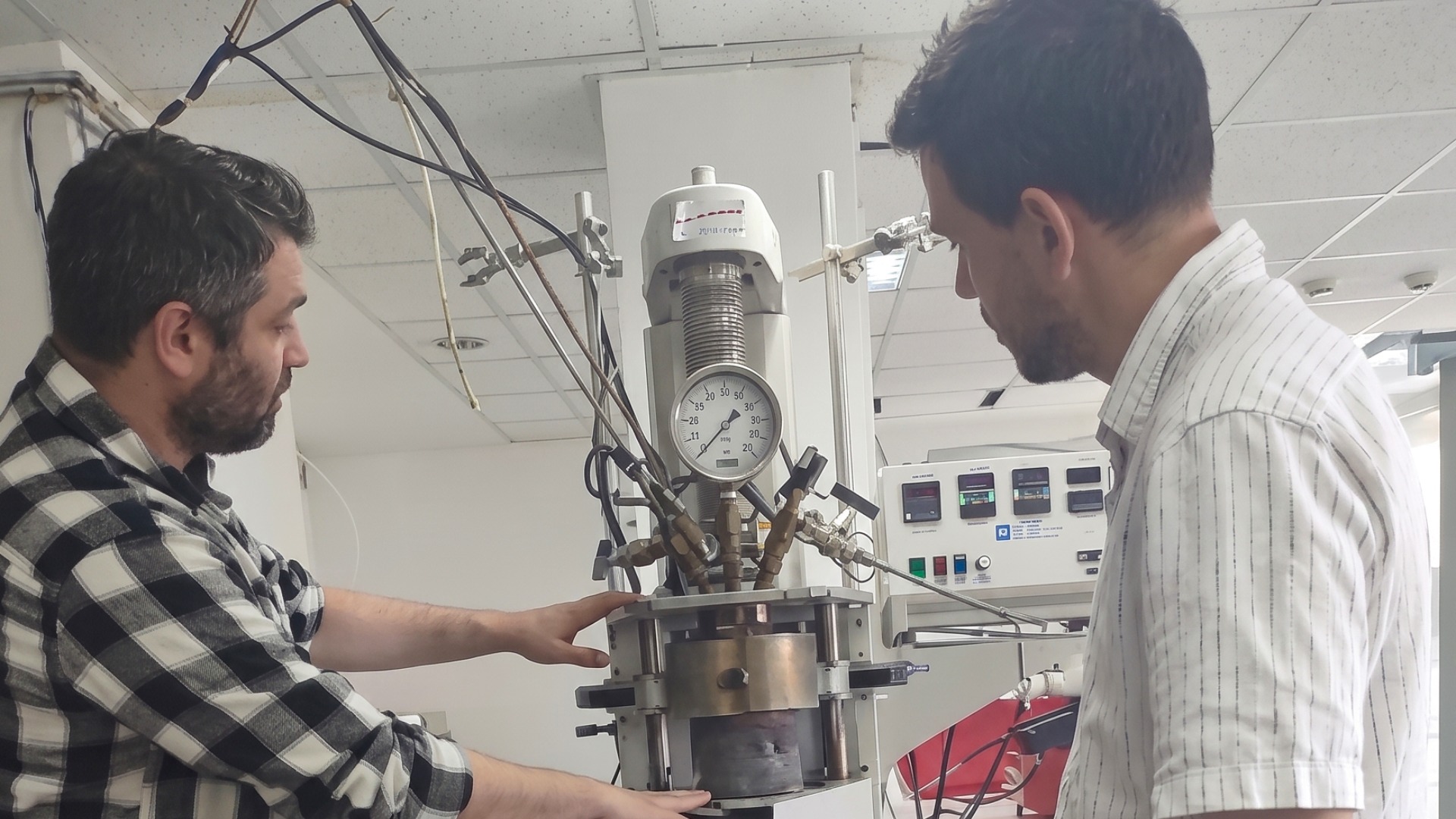
A key topic was hydrothermal carbonisation, currently developed within BioFairNet pilot activities. Exchanges explored how this approach can be strengthened through advanced monitoring frameworks developed within ZeroPM to better understand pollutant behaviour and ensure safe outputs.
Regional perspectives and shared direction
The discussions highlighted the importance of aligning technical solutions with real territorial conditions, an aspect strongly supported by RIBES through its regional approach. At the same time, the contribution of ZeroPM reinforces the need to integrate monitoring and pollution control into bio-based processes from the start.
Taken together, these elements point to a clear direction. Scaling the bioeconomy is not only about developing new technologies. It requires solutions that are safe, applicable in real contexts and trusted by stakeholders. Combining circular strategies, pollutant control and regional implementation is key to making this transition work in practice.