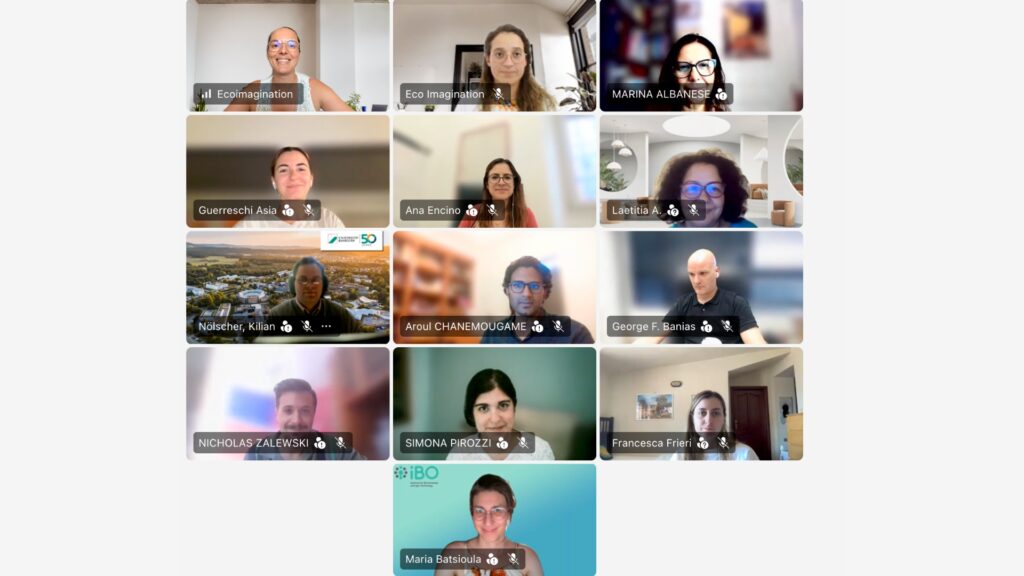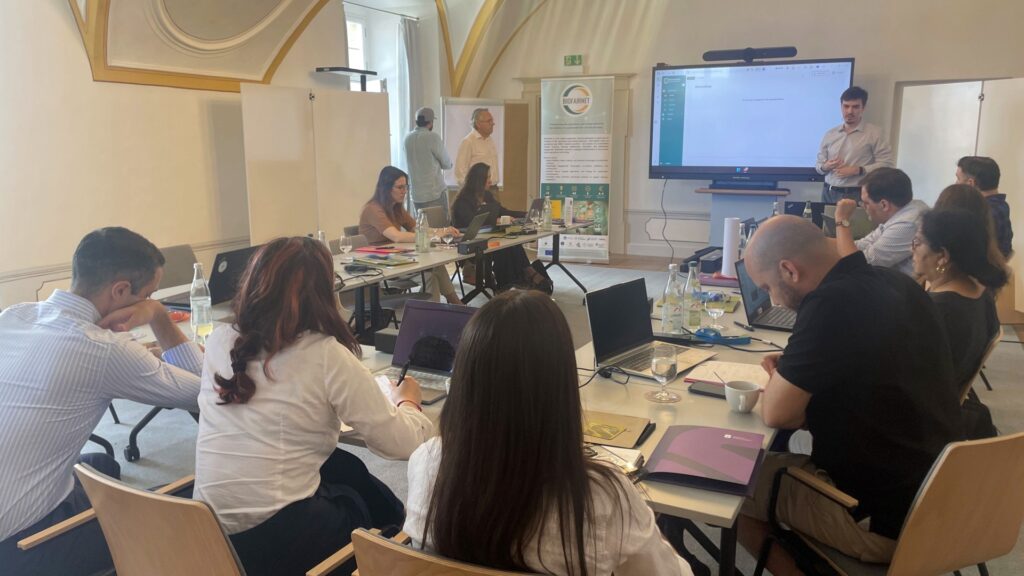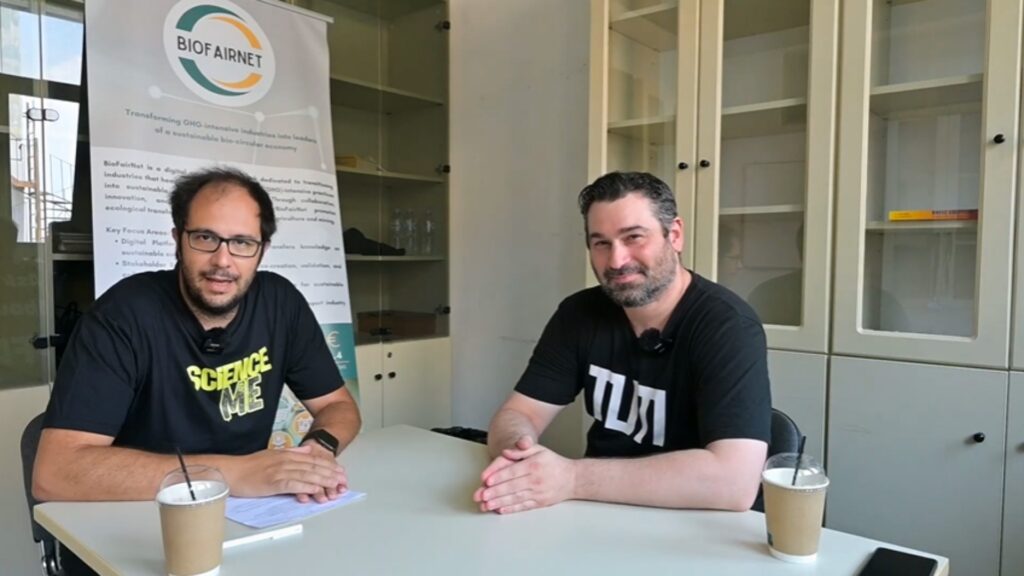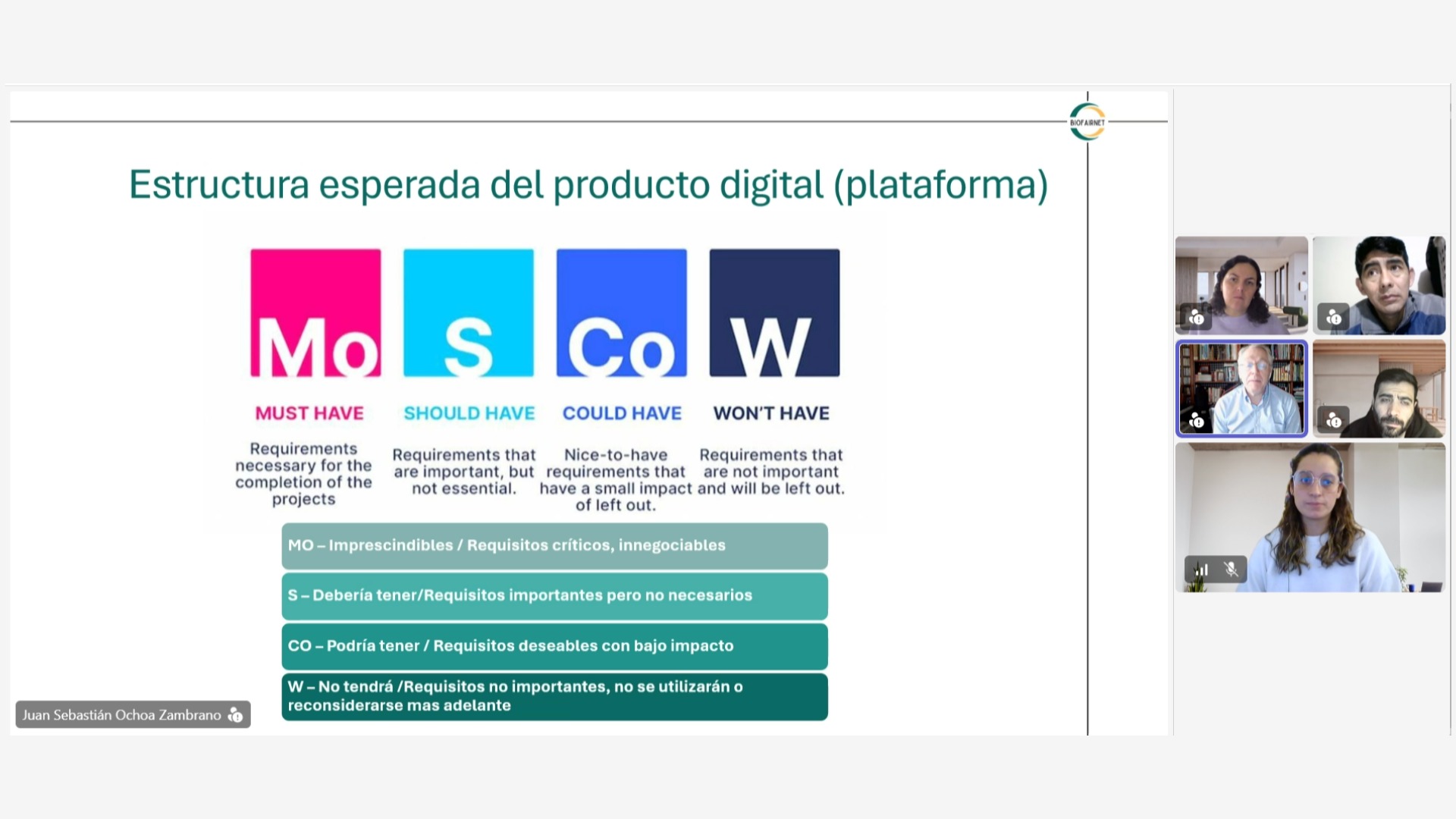
On 6 March 2026, BioFairNet held its Spanish Regional Stakeholder Workshop, an online session led by SATEC, project’s Spanish partner. The event created a space for an open and honest conversation about circularity, bioeconomy, and the digital tools needed to support agricultural actors.
A conversation grounded in real challenges
The workshop unfolded as an open dialogue rather than a structured exercise. The discussion explored daytoday realities in the agricultural sector, highlighting both the pressures faced and the opportunities emerging in local contexts.
One theme stood out clearly: the untapped value of agricultural byproducts. Materials such as coffee husks or dairy whey are often discarded simply because there is no established model, or cultural habit, for transforming them into new products. This lack of reuse is not due to disinterest, but to the absence of infrastructure, business models, and awareness that could unlock their potential.
What helps, what hinders, and what needs to change
The conversation highlighted a mix of opportunities and persistent challenges shaping circularity. Funding programmes and innovation initiatives can open doors, but deeper structural issues continue to influence the pace of change. Participants pointed to the impact of rural depopulation, limited training opportunities, cultural resistance to new practices, and gaps in infrastructure and policy.
Even so, the discussion reflected a clear willingness to innovate, explore new business models, and strengthen the value of local production.
Imagining a useful and accessible digital dashboard
The final part of the workshop focused on what the future BioFairNet digital dashboard should offer. Rather than technical specifications, the conversation centred on usability: a tool that is simple, intuitive, and visually clear, capable of bringing together different types of information and supporting traceability and decisionmaking.
Above all, the dashboard should help users navigate the transition toward circular and biobased practices in a way that feels practical and accessible.
A step forward for fair digitalisation
The workshop reaffirmed the value of listening closely to the realities of those working in the agricultural sector. The insights shared during the session will guide the next steps in shaping a dashboard that feels useful, accessible, and rooted in local needs. As BioFairNet continues its work, these contributions help ensure that digitalisation evolves in a way that strengthens communities and supports a fair transition toward circularity.