BioFairNEt

Bioeconomy and Circular Economy Fair Network

A fair and accessible network for reducing greenhouse gas activities with circular and bio- economy models.

13 partners

 joining forces to drive the sustainable transition of agriculture and mining, the two greenhouse gas-intensive sectors targeted by the BIOFAIRNET project, through digital collaboration and bio-circular innovation

The BIOFAIRNET project is paving the way for a sustainable and fair bio-circular economy across Europe and beyond. By focusing on the agriculture and mining sectors, it promotes the co-creation and testing of innovative solutions through a digitally cooperative network. With a strong emphasis on circularity, stakeholder engagement, and systemic transformation, BIOFAIRNET empowers a more resilient, low-carbon industrial future.

Key Facts

Parners
0
Countries
0
Months
0
Pilots
0
Millions
0

Project Development

2 pilot areas

Greece
Biofairnet - Development Greece
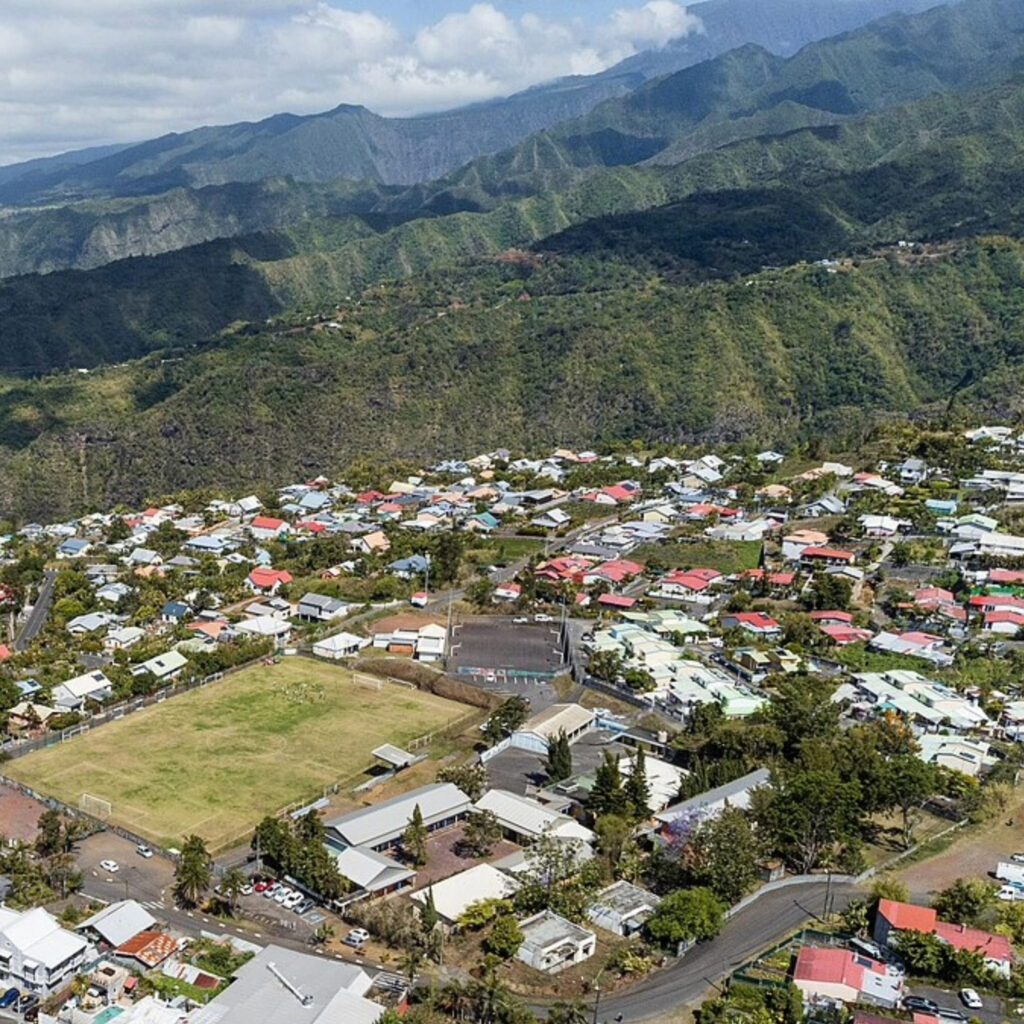
Reunion Island
Biofairnet - Development Reunion
Canada
Biofairnet - Development Canada
Republic of Kenya
Biofairnet - Development Kenya

2 validation sites

Our Mission

Transforming the mining and agricultural sectors into leaders of a sustainable bio-circular economy.

What’s happening

On 28 May 2026, as part of the eighth edition of the National Bioeconomy Day promoted by the SPRING Italian Circular Bioeconomy Cluster with Assobiotec-Federchimica, BioFairNet ran an online workshop titled “Assessing sustainability in emerging bio-based value chains.” Held from 10:00 to 12:00 CET, the session was delivered by project partners UNITELMA Sapienza and the University of Ferrara. It centred on Environmental and Social Life Cycle Assessment (LCA and S-LCA), showing how these methods quantify environmental and social impacts, expose trade-offs, and identify where bio-based systems can realistically be improved across value chains and regional contexts.
On 14–15 May 2026, the BioFairNet project took part in the “Renaissance in Economics” International Conference, held in Rome. The event focused on how economic thinking can respond to today’s global challenges, including climate transition and social inequalities.
On 18 May 2026, the Gellért Campus of Corvinus University of Budapest hosted “Redefining Fashion: Leading the Transition to a Sustainable Future”: a half-day seminar co-organised by the Bioeconomy in Transition Research Group (BiT-RG) at UnitelmaSapienza, the Corvinus Institute for Advanced Studies (CIAS), and the Gellért Green project. Francesca Fieri, researcher at BioFairNet partner UnitelmaSapienza, was there and she brought BioFairNet with her.
This December, researchers, practitioners, policymakers, and industry partners working on circular economy, bioeconomy, and sustainable transition will gather at the University of Ferrara for three days of scientific exchange, practical workshops, and community-building.