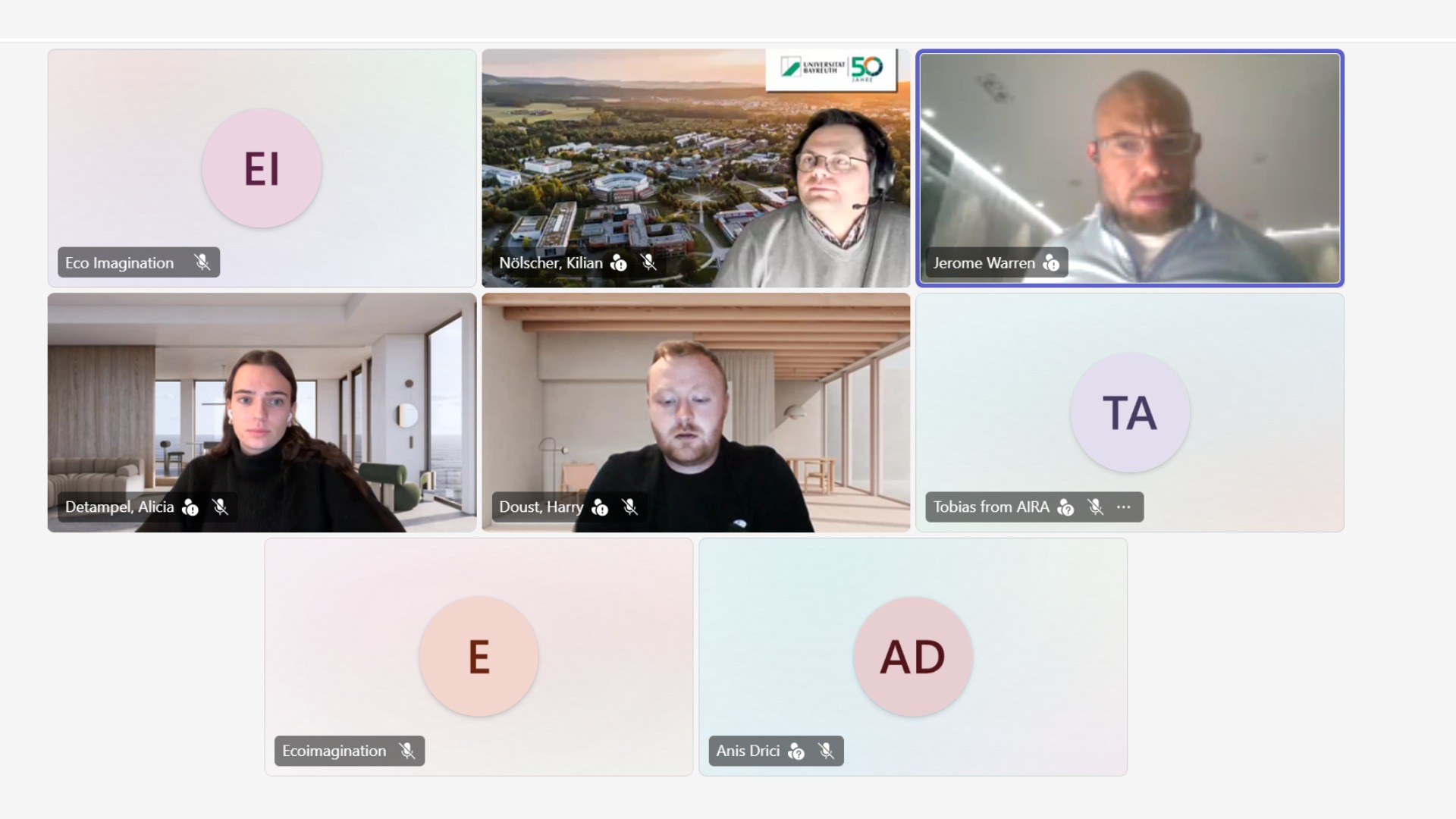
BioFairNet hosted its Regional Stakeholder Workshop Focused on Mining sector in Germany on 24 February 2026, bringing together different key actors for an online discussion on how to build a more connected, open, and practical digital ecosystem for the circular and bioeconomy. The session offered a clear picture of the sector’s needs while generating concrete guidance for the development of the project’s upcoming digital dashboard.
A shared push toward openness and connection
During the workshop, participants agreed that the mining sector needs fewer isolated tools and more shared infrastructure. The consortium presented its vision of a flexible digital backbone anchored in Zenodo, ensuring that data remains public, citable, and reusable. This approach was widely welcomed as a way to strengthen collaboration and avoid the common fate of project platforms that fade once funding ends.
The discussion also addressed the balance between openness and intellectual property. While the technical backbone developed by SATEC will remain proprietary, the commitment to keeping all project data openly accessible was seen as essential for longterm relevance and trust.
Insights that will shape the dashboard
The workshop generated several priorities that will directly guide the next development phase. Among the most influential points were:
- Diversity as a measure of success: A platform is stronger when it brings together chemists, engineers, social scientists, farmers, and practitioners from different regions.
- Depth over numbers: A small, active, interdisciplinary community can create more value than a large passive audience.
- Trust takes time: Building a collaborative environment requires patience and continuity, not quick wins.
- Language matters: Using English as a common working language can lower barriers and support broader participation.
These insights reinforce a shared vision of BioFairNet as a space that is open, useful, and built to last.
Moving forward with a clearer roadmap
The February workshop marked an important step in aligning the dashboard with real sector needs. It also strengthened dialogue among actors who rarely meet in the same space, creating momentum for a more connected approach to circularity in mining.
The BioFairNet consortium extends its appreciation to all participants for their openness, clarity, and commitment. Their contributions will play a central role in shaping a digital ecosystem that supports collaboration across sectors and regions.