Biofairnet - Bioeconomy Day 2016

Measuring What Matters: BioFairNet’s First Transferability Webinar at Bioeconomy Day 2026

How do you show that an emerging bio-based value chain is genuinely sustainable, and not just greener on paper? That question framed BioFairNet’s contribution to Italy’s national Bioeconomy Day.

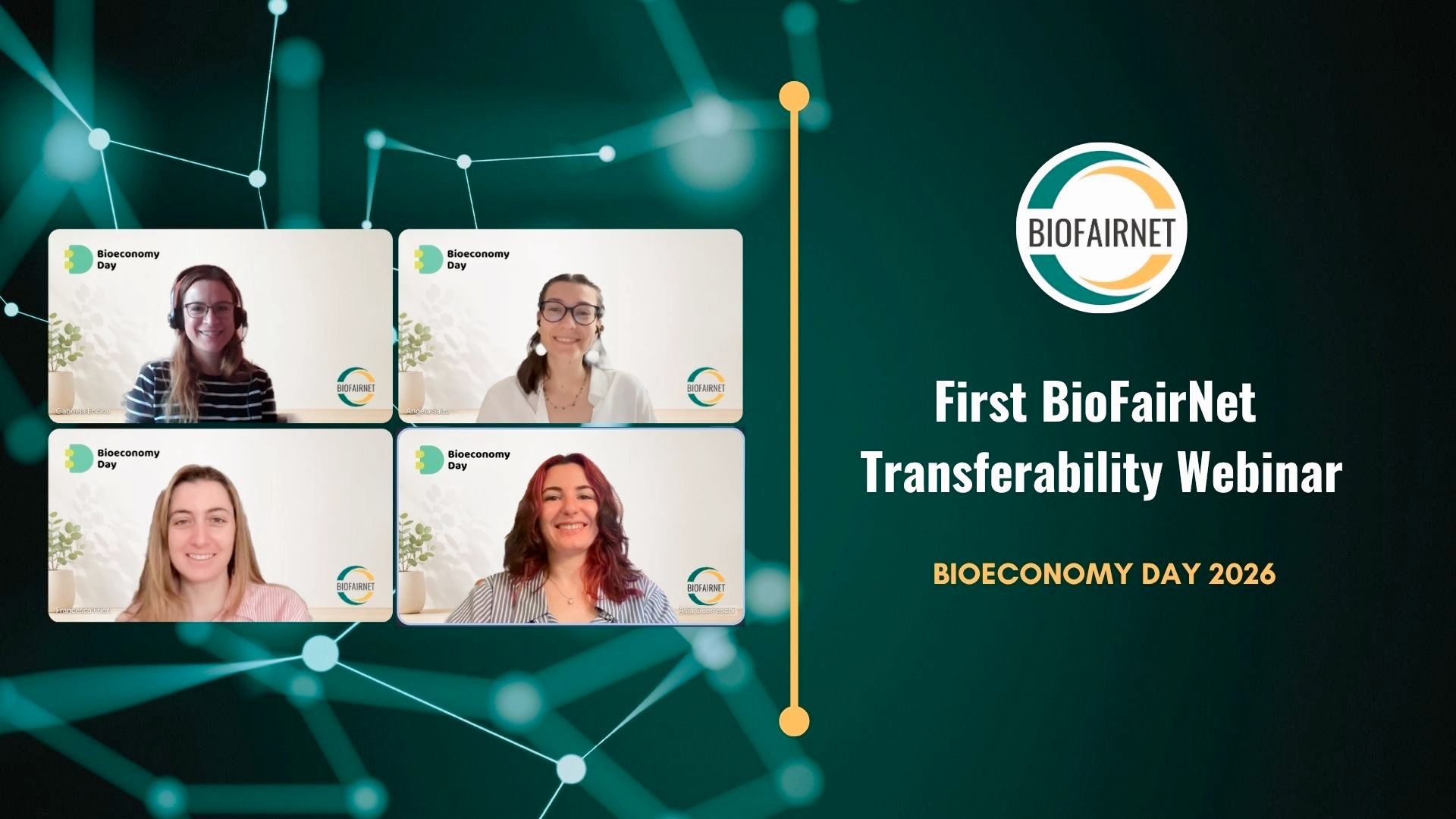
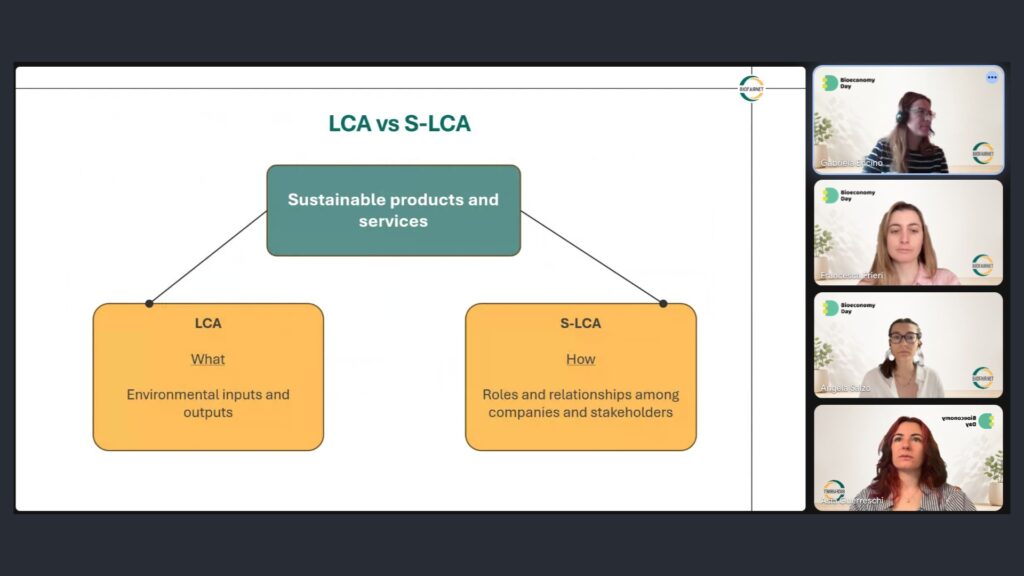
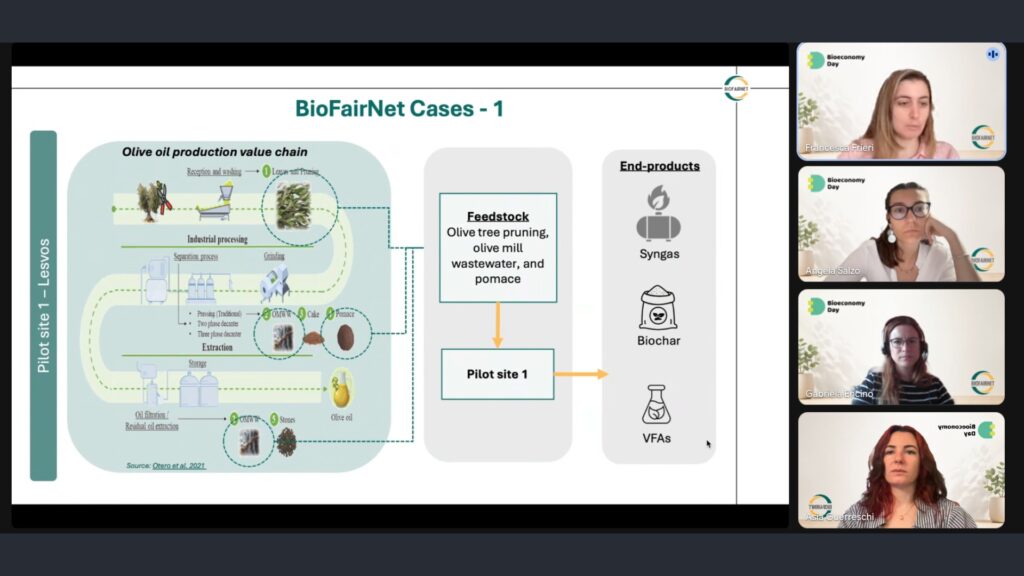
On 28 May 2026, as part of the eighth edition of the National Bioeconomy Day promoted by the SPRING Italian Circular Bioeconomy Cluster with Assobiotec-Federchimica, BioFairNet ran an online workshop titled “Assessing sustainability in emerging bio-based value chains.” Held from 10:00 to 12:00 CET, the session was delivered by project partners UNITELMA Sapienza and the University of Ferrara. It centred on Environmental and Social Life Cycle Assessment (LCA and S-LCA), showing how these methods quantify environmental and social impacts, expose trade-offs, and identify where bio-based systems can realistically be improved across value chains and regional contexts.
Biofairnet - Bioeconomy Day 2016

Sustainability assessment sits at the core of what BioFairNet does. Drawing on concrete examples from the project, the presenters walked participants through applications in biomass valorisation, circular use of resources, and responsible supply chains, the same areas the project is testing across its pilot regions. The webinar was also one of the transferability webinars BioFairNet runs to move its methods and findings beyond the consortium and into the hands of researchers, industry, and policymakers.

Placing this work inside a national event that reaches academia, business, and public institutions is how a research method stops being internal and becomes a tool others can pick up and use.
Biofairnet - Bioeconomy Day 2016

Share this info

More news

On 28 May 2026, as part of the eighth edition of the National Bioeconomy Day promoted by the SPRING Italian Circular Bioeconomy Cluster with Assobiotec-Federchimica, BioFairNet ran an online workshop titled “Assessing sustainability in emerging bio-based value chains.” Held from 10:00 to 12:00 CET, the session was delivered by project partners UNITELMA Sapienza and the University of Ferrara. It centred on Environmental and Social Life Cycle Assessment (LCA and S-LCA), showing how these methods quantify environmental and social impacts, expose trade-offs, and identify where bio-based systems can realistically be improved across value chains and regional contexts.
On 14–15 May 2026, the BioFairNet project took part in the “Renaissance in Economics” International Conference, held in Rome. The event focused on how economic thinking can respond to today’s global challenges, including climate transition and social inequalities.
On 18 May 2026, the Gellért Campus of Corvinus University of Budapest hosted “Redefining Fashion: Leading the Transition to a Sustainable Future”: a half-day seminar co-organised by the Bioeconomy in Transition Research Group (BiT-RG) at UnitelmaSapienza, the Corvinus Institute for Advanced Studies (CIAS), and the Gellért Green project. Francesca Fieri, researcher at BioFairNet partner UnitelmaSapienza, was there and she brought BioFairNet with her.