BIOFAIRNET Marks its One-Year Milestone
Consortium gathers in Greece to reflect on first-year progress towards a fair and circular bioeconomy
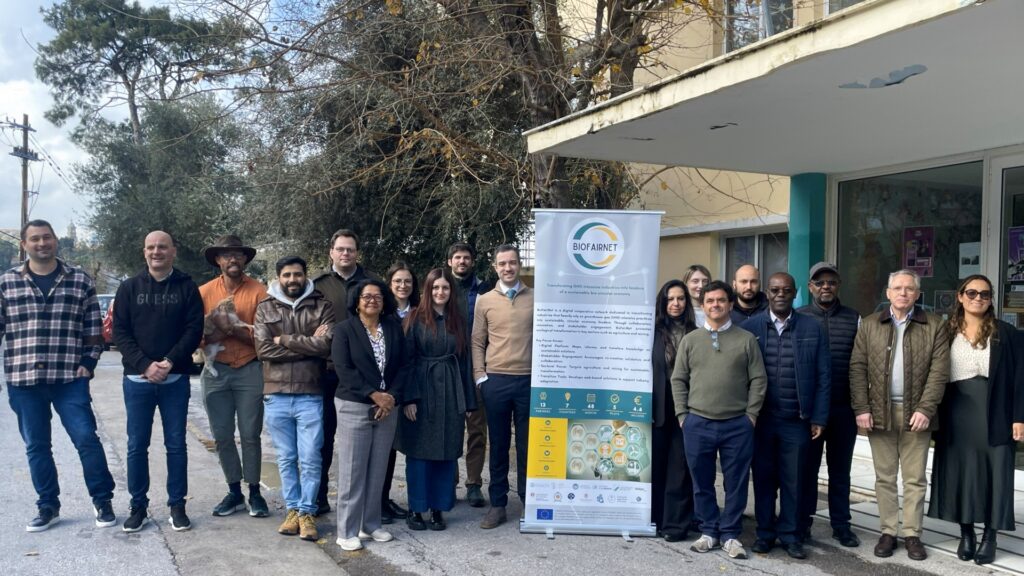
The BIOFAIRNET consortium gathered in Greece from 20 to 23 January 2026 for its General Assembly and Executive Board meetings, bringing partners together for an intensive week of technical discussions, strategic coordination, and stakeholder engagement. Held between Athens and Lesvos, the meetings marked an important milestone to reflect on progress achieved during the first year of the project and to align partners on the next phase of implementation.
The week began in Athens with industrial and pilot visits hosted by the National Technical University of Athens (NTUA). Partners explored analytical laboratories, reactor facilities, and BIOFAIRNET Pilot Site 1, gaining first-hand insights into the technologies and processes supporting the project’s research and innovation activities.
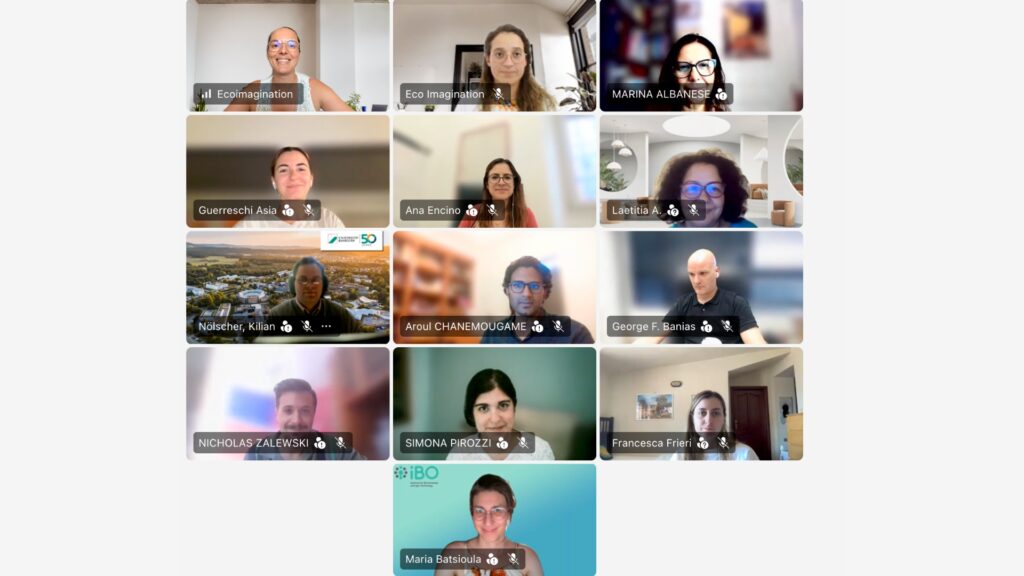
On the second day, the consortium held its Executive Board Meeting in a hybrid format from Lesvos. The session focused on ensuring the effective and efficient implementation of the project and maintaining alignment with the Consortium Plan.
Key discussions covered the review of Year 1 achievements and milestones, the status of deliverables, updates to the Risk Register, and an overview of the project’s financial performance during the first twelve months. Partners also examined ongoing communication, dissemination, and exploitation activities, which are key to ensuring the project’s results reach relevant stakeholders and contribute to Europe’s transition towards a sustainable bioeconomy.
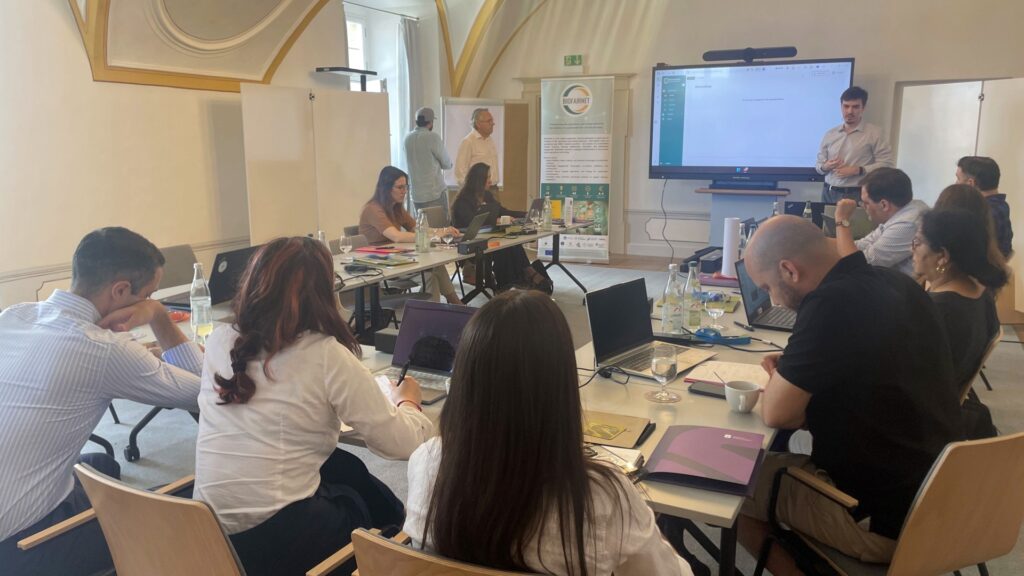
The following day, the General Assembly provided a platform for in-depth exchanges across Work Packages WP1–WP8. Partners shared updates on methodologies, technical progress, and ongoing activities, while discussions explored coordination between work packages, identification of synergies, and clarification of critical interdependencies. The meeting concluded with a shared Action List, outlining responsibilities and timelines for the next phase of implementation.
The week closed with the first BIOFAIRNET Stakeholder Workshop, dedicated to the agriculture sector and hosted at the Chamber of Commerce of Lesvos.
Agricultural actors and regional stakeholders contributed valuable perspectives on local challenges, co-designed elements of the BIOFAIRNET digital dashboard, and supported the development of tools promoting circularity and a fair bioeconomy. This participatory session highlighted the project’s commitment to user-driven innovation and strong regional engagement.
The BIOFAIRNET General Assembly in Greece demonstrated strong collaboration across all work packages and set the stage for the next phase of the project. By combining technical coordination, strategic planning, and active stakeholder involvement, the consortium is advancing towards impactful and replicable solutions that will support a fair, sustainable, and digitally enabled bio-circular economy in Europe.