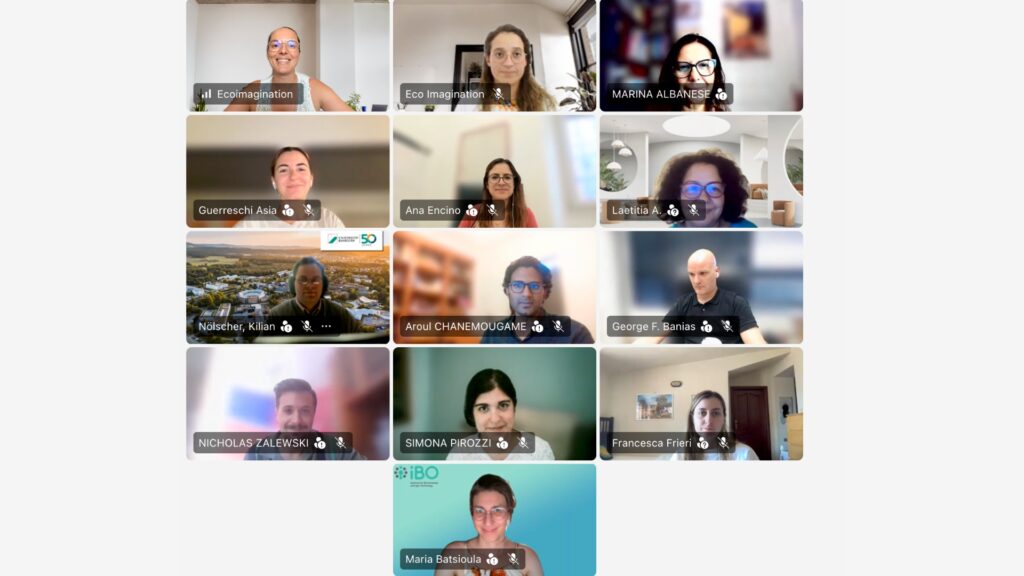
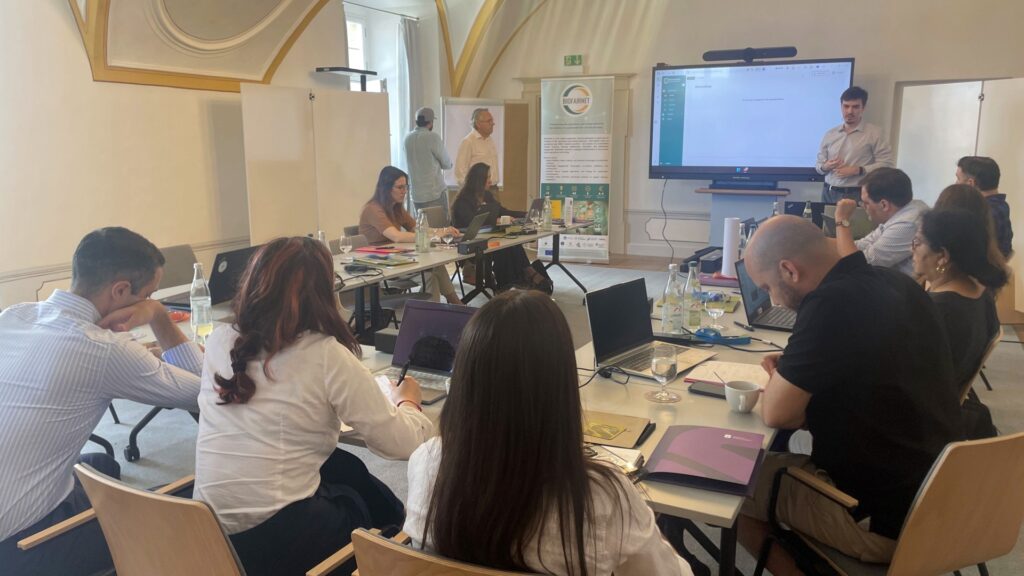
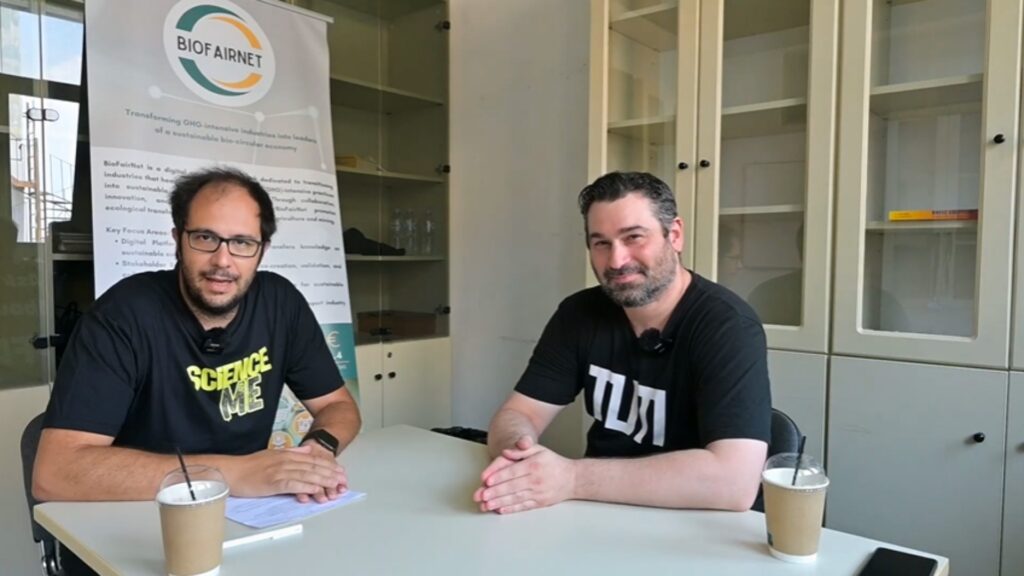
On 22 and 23 May 2025, the BIOFAIRNET project partners SATEC and the University of Bayreuth (WP3 Leader) came together for a two-day working session at SATEC’s facilities in Madrid. The purpose of this in-person meeting was to align efforts, clarify interdependencies, and define key technical components related to Work Package 3 (WP3), which focuses on the development of the BIOFAIRNET digital platform.
The collaborative sessions served as a milestone to:
- Define the main objectives and structure of WP3
- Identify dependencies between WP3 and other work packages
- Determine the initial technical requirements and functionalities for the future platform
One of the main outcomes of the meeting was the initial definition of the architectural components and data variables that will guide the design and implementation of the Information Factory. This component will support the comprehensive analysis of the data lifecycle within the project. In parallel, the session also initiated planning for the F&CF System, a real-time monitoring and supervision layer capable of detecting failures, anomalies, and predicting critical events across the pilot sites.

Both systems (the Information Factory and the F&CF System) will be integrated to form the BIOFAIRNET Digital Platform. This unified platform will host a range of functionalities and content including:
- Assessment tools
- Hotspot detection
- A co-creation model
- Predictive analytics
- Secure data storage and access
The coordination between SATEC and the University of Bayreuth in Madrid marks a strong step forward in the technical development of the BIOFAIRNET platform, ensuring it is well-grounded in both operational feasibility and the strategic goals of the project.
Stay tuned for more updates as WP3 progresses towards the first implementation phases of the platform.