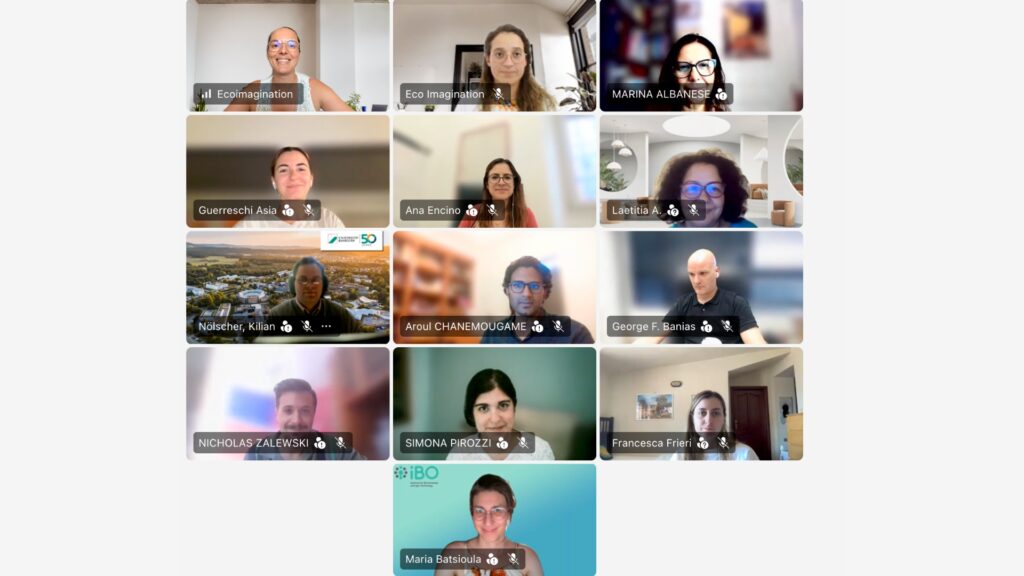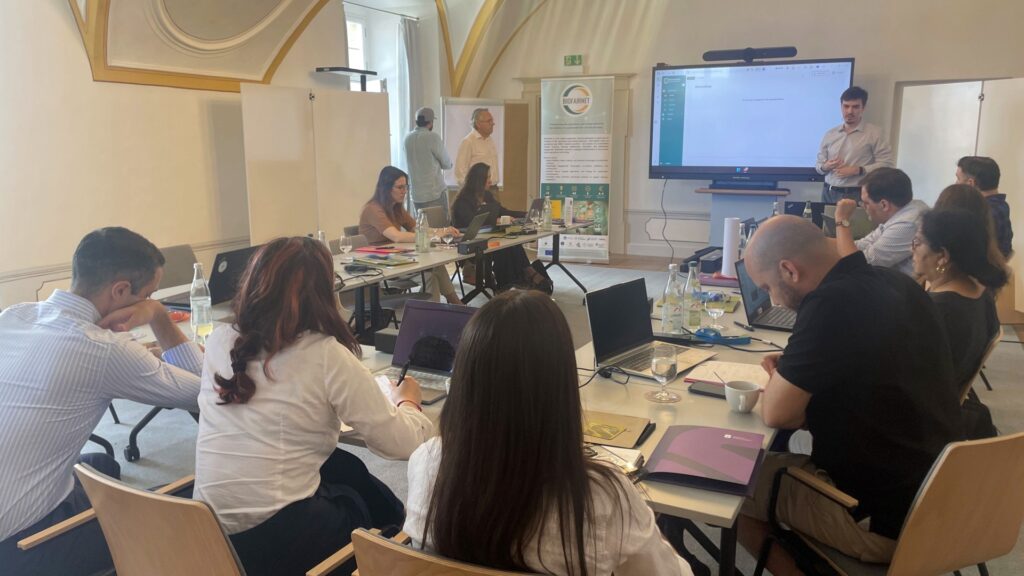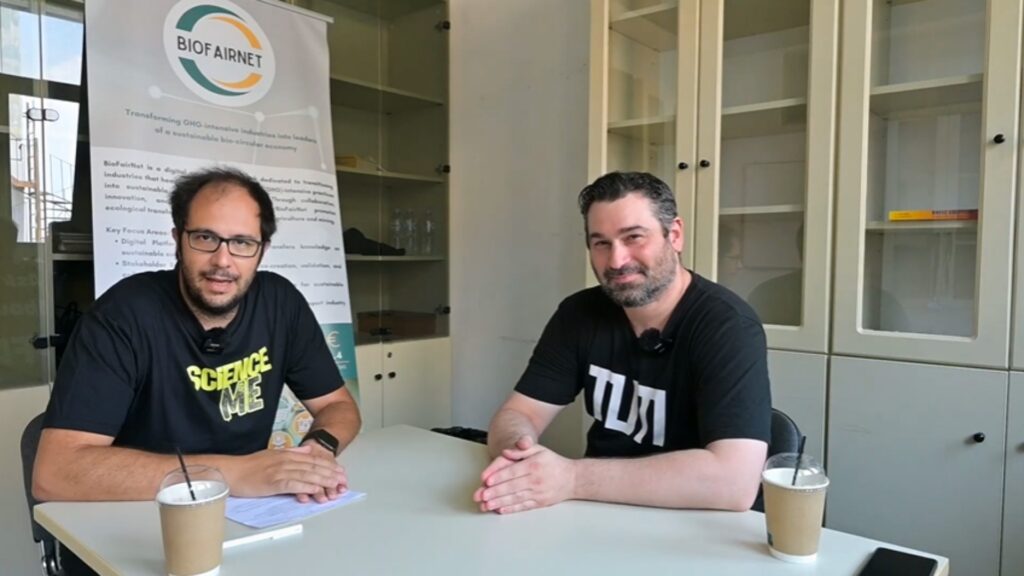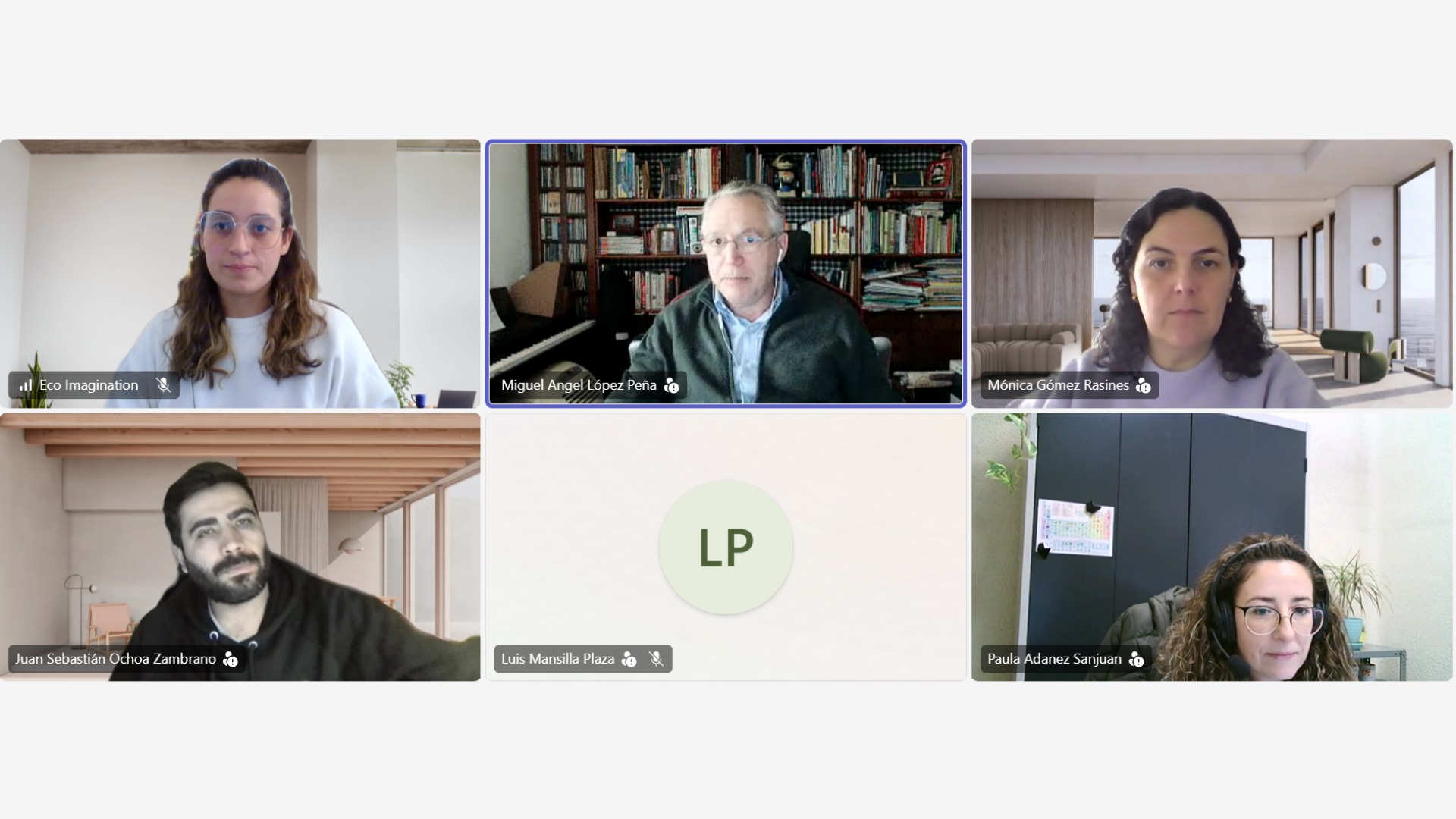
On 6 March 2026, BioFairNet hosted its online Spanish Regional Stakeholder Workshop for the mining sector. The event opened with a presentation by Miguel Ángel López, R&D and Innovation Manager at SATEC, who introduced the BioFairNet project and welcomed participants into a space designed for open discussion and shared reflection.
A sector in transition: practices, responsibilities, and emerging opportunities
The conversation began with an overview of how circularity and bioeconomy are currently being explored within mining. Several practices surfaced as central to ongoing efforts: research on mining residues, environmental impact assessments, mineralogical and chemical characterisation, and the rehabilitation of degraded areas. There was also a strong emphasis on protecting subsurface heritage and rethinking the value of materials traditionally treated as waste.
These insights revealed a sector that is technically rigorous and increasingly attentive to environmental responsibility yet still navigating how to embed circularity into longterm strategies and operational routines.
What enables progress, what slows it down, and what needs to evolve
The discussion highlighted both enabling factors and persistent challenges. Collaboration through sector associations, specialised mining fairs, and professional networks helps create momentum and visibility. However, several structural issues continue to shape the pace of circular innovation.
Among the barriers mentioned were the limited presence of private investment, the low profitability of certain mineral deposits, and the need to distinguish between new mining projects and projects focused on reusing existing waste, which require different approaches and timelines.
Social expectations also play a role: mining activity often arrives with hopes of employment and longterm stability for local communities, making responsible planning and site restoration essential. Infrastructure gaps, fluctuating mineral availability, and the broader policy landscape, including European initiatives, further influence how circularity can be implemented.
Despite these constraints, conversation reflected a desire to advance: from destigmatising mining through public awareness efforts to strengthening networks and increasing private investment.
Imagining a digital dashboard that supports realworld mining needs
The final part of the workshop focused on what the future BioFairNet digital dashboard should offer. The emphasis was on practicality and trust: a tool that supports decisionmaking, respects data ownership, and adapts to the specificities of mining operations.
A step forward for fair digitalisation
The workshop reaffirmed the value of listening closely to the realities of those working in the mining sector. The insights shared during the session will guide the next steps in shaping a dashboard that feels useful, accessible, and rooted in local needs. As BioFairNet continues its work, these contributions help ensure that digitalisation evolves in a way that strengthens communities and supports a fair transition toward circularity.