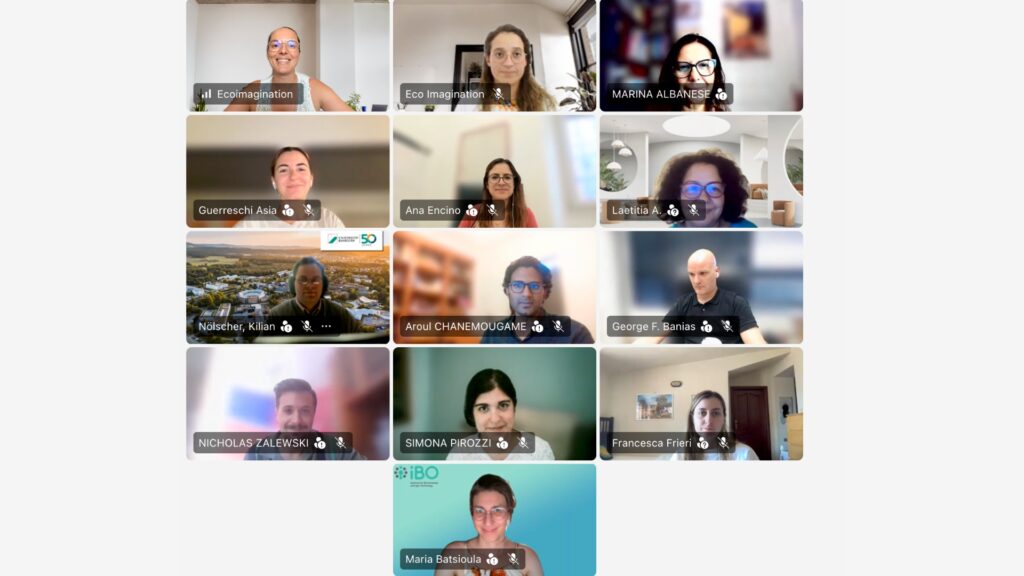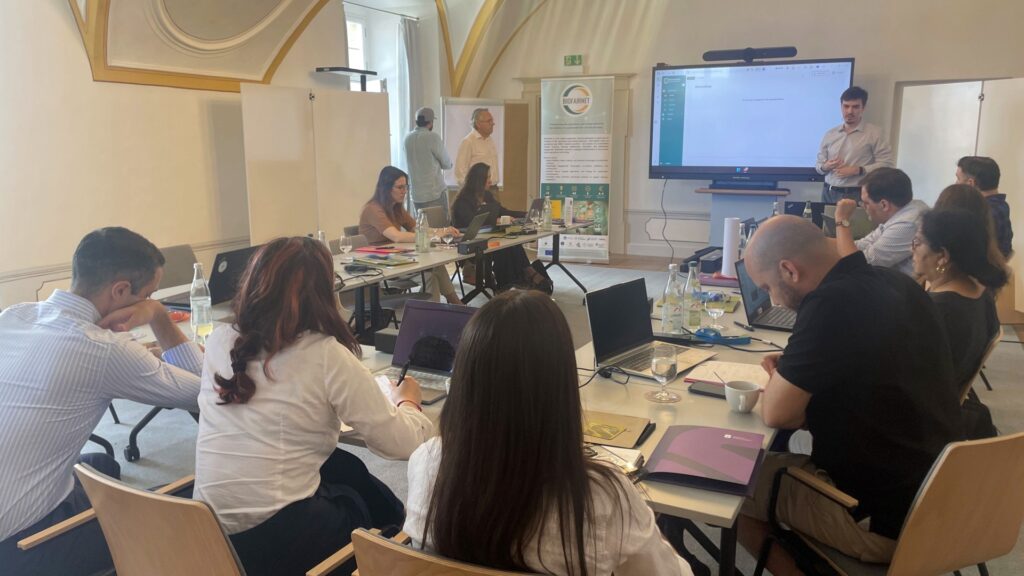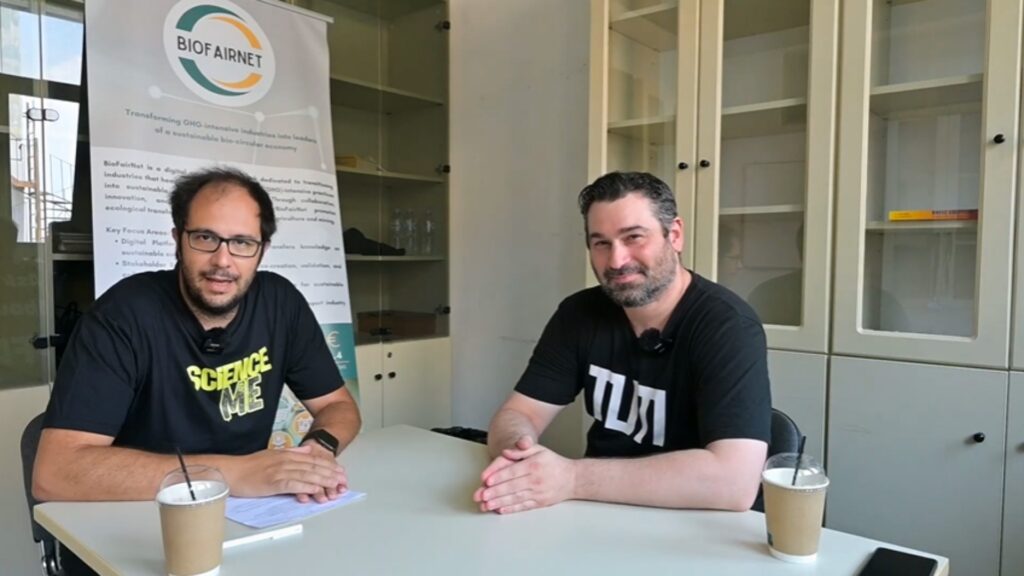
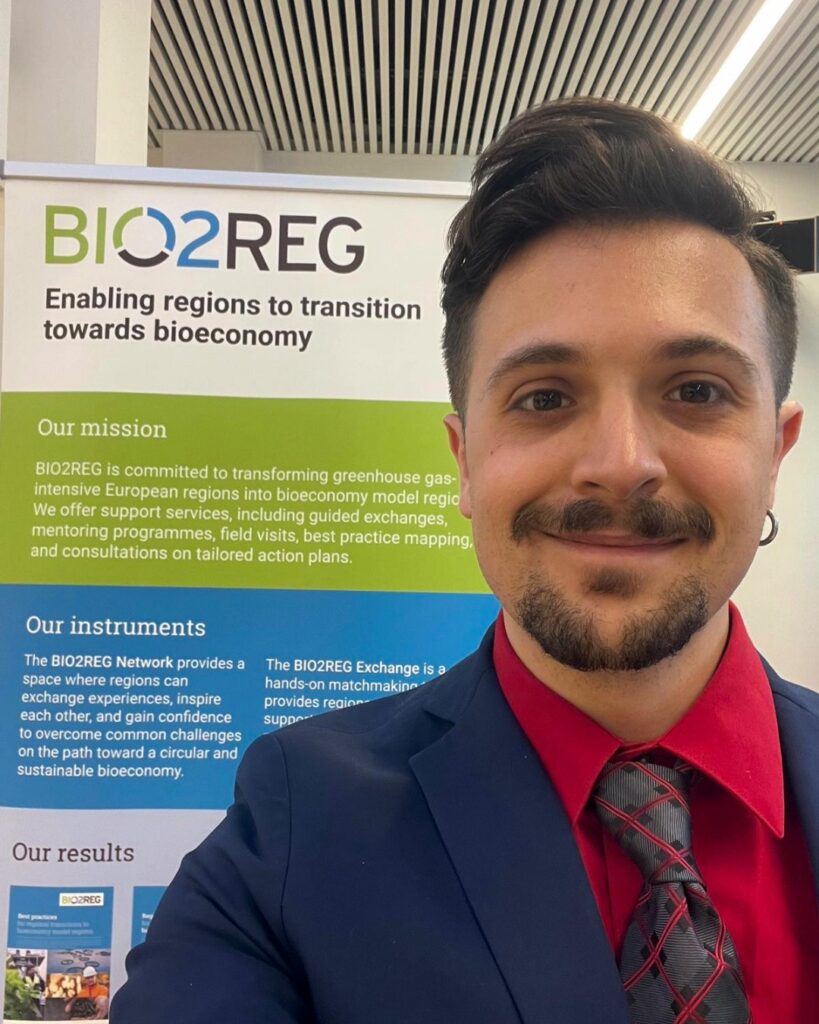
The BioFairNet project participated in BIO2REG Connect – Unlocking Regional Pathways for the Bioeconomy, held on 3 February in Brussels. The twoday event, organised by the sister project BIO2REG, brought together regional authorities, policymakers, researchers, clusters, and practitioners from across Europe to address a central question: How can Europe accelerate the bioeconomy where it truly takes shape, within its regions?
The event featured keynote interventions from Evdokia Achilleos (European Research Executive Agency), Sam Hout Ledo (European Commission, DG RTD), and Jan Philipp Kramer (Prognos), who provided strategic perspectives on Europe’s bioeconomy ambitions and the role of regional actors.
For BioFairNet, the event offered a valuable opportunity to engage with peers, exchange insights, and strengthen connections with organisations working toward a more sustainable and circular bio-based future. Our team participated actively in discussions, networking sessions, and interactive formats, identifying opportunities for cooperation and exploring how the project’s tools and methodologies can support ongoing regional efforts.
A Shared Challenge: Regional Realities in the Bioeconomy
Discussions at BIO2REG Connect highlighted a clear reality: Europe’s regions operate under very different conditions. Yet participants agreed that advancing bioeconomy depends on continuous dialogue and practical peer learning.
Key messages included that regional capacity remains limited, that collaboration is essential to ensure solutions reflect local needs, and that scaling requires coordination to move beyond isolated pilots toward shared approaches and stronger crossregional engagement.
These insights resonate strongly with BioFairNet’s commitment to supporting fair, resilient, and regionally grounded bioeconomy value chains.
Strengthening Collaboration Across Europe
Events such as BIO2REG Connect demonstrate the value of bringing diverse stakeholders together to reflect on what works, what doesn’t, and what is needed next. For BioFairNet, the event reinforced the importance of crossproject cooperation and the potential for shared learning to accelerate the transition toward a circular bioeconomy.
BioFairNet looks forward to continuing the conversations initiated in Brussels and to deepening collaboration with partners across Europe as we collectively work toward a sustainable, innovative, and regionally grounded bioeconomy.